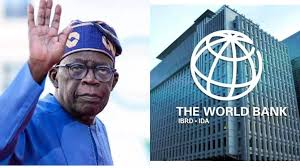
The World Bank has reportedly restricted Nigerian users from commenting on its social media pages following a wave of backlash over recent loan approvals. Many Nigerians had taken to platforms like X (formerly Twitter), Facebook, and Instagram to criticise the bank for lending money to the federal government while citizens struggle with high inflation, unemployment, and rising poverty. According to online observers, Nigerian accounts now see a message saying comments are limited or turned off on certain World Bank posts. The bank has not officially confirmed the move, but digital rights advocates say the action appears to target Nigerian IP addresses and profiles.

Key features of the restriction include the inability to reply to posts, drop reactions beyond “likes,” or share critical feedback directly on World Bank pages. Some Nigerian users reported that their comments are automatically deleted within seconds of being posted. Others said they can still view content but cannot engage. The development has sparked fresh debates about free speech and transparency. Critics argue that a global institution like the World Bank should welcome public scrutiny, especially when its loans come with tough conditions that affect ordinary people. Supporters of the bank, however, note that social media pages are private platforms, and the bank has a right to moderate toxic or repetitive comments.
Nigerian civil society groups have called on the World Bank to reverse the decision and instead hold town halls or Q&A sessions where citizens can ask real questions. They also want the bank to publish clearer breakdowns of how loan funds are spent and what Nigerians should expect in return. Meanwhile, some social media users have found a workaround by using virtual private networks (VPNs) to mask their Nigerian location. The incident highlights growing frustration over Nigeria’s rising debt profile, which currently stands above N100 trillion. For now, the World Bank has not announced any change to its comment policy, but pressure is mounting from Nigerian activists and free speech advocates.
About the Author