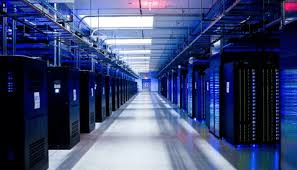
Nigeria has taken a major step into the age of artificial intelligence with the launch of a new AI-ready data centre in Lagos. The facility, built by a collaboration of technology and infrastructure companies, is specifically designed to handle the intense computing demands of AI applications such as machine learning, large language models, facial recognition, and data analytics. This marks a significant milestone for Nigeria’s digital economy, as most AI processing for Nigerian businesses and researchers currently happens on servers located in Europe, America, or Asia. With this new centre, companies, startups, and government agencies can now process AI workloads locally, resulting in faster speeds, lower costs, and better data security.

Key features of the AI-ready data centre include high-performance computing servers equipped with thousands of specialized AI chips (GPUs and TPUs) that are far more powerful than regular computer processors. The facility uses advanced liquid cooling technology to prevent overheating, which is a major challenge when running AI models continuously. It also has redundant power supply systems, including dedicated backup generators and solar panels, to ensure 24/7 operation even with Nigeria’s grid challenges. The centre is connected to multiple fibre optic cables, providing ultra-fast internet speeds and low latency (delay) for users across Lagos and beyond. Security features include biometric access controls, 24/7 surveillance, and fire suppression systems. The centre also complies with Nigeria’s data protection laws, meaning that sensitive information processed through AI applications can legally stay within the country’s borders instead of being transferred overseas.
The data centre is expected to serve a wide range of users. Banks and fintech companies can use it to run fraud detection algorithms and customer service chatbots. E-commerce platforms can deploy AI for personalized shopping recommendations. Hospitals and health tech startups can process medical images and patient data for diagnostics. Universities and researchers can train AI models without paying expensive foreign cloud fees. The centre’s operators also announced plans to offer affordable computing credits for local startups and students to encourage innovation. Industry analysts say this development puts Nigeria on the map as a regional hub for AI infrastructure, alongside South Africa and Kenya. The centre is now open for business, with plans to expand capacity within the next 12 months as demand grows.
About the Author