Global cybersecurity firm Kaspersky has issued a warning that scammers are actively exploiting football fans travelling to the 2026 World Cup. With millions of people expected to attend matches across the United States, Canada, and Mexico, fraudsters have set up fake websites, phishing emails, and social media scams designed to steal money and personal information from unsuspecting travellers. Kaspersky reported a sharp increase in fraudulent activity targeting anyone searching for World Cup tickets, accommodation, flights, and even travel visas. The company urged fans to be extra cautious when booking anything online, as scammers are becoming more sophisticated in their methods.

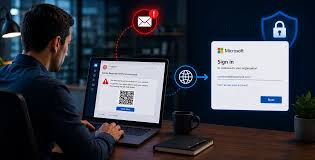
Key features of the scams include fake ticket resale websites that look identical to official platforms but steal credit card details the moment a purchase is made. Another common trick is phishing emails that appear to come from official World Cup organisers or travel agencies, asking recipients to “confirm their booking” or “pay a small processing fee” by clicking a link that leads to a fake login page. Once a victim enters their details, scammers gain access to their email, bank accounts, or social media profiles. Kaspersky also warned about fake accommodation listings on popular booking sites, where scammers advertise apartments or hotels that do not exist, take deposits, and then disappear. There are also scams involving fake travel insurance, fake match-day shuttle services, and even fraudulent “meet and greet” packages with football stars. According to Kaspersky, many of these scams target fans who book late or look for cheaper deals, as desperation makes people less cautious. The firm also noted an increase in fake SMS messages claiming to be from airlines or border control agencies, asking travellers to click links to “verify their documents.”
To protect themselves, Kaspersky advised travellers to book only through official World Cup channels or trusted, well-known travel sites. Fans should never click on links in unsolicited emails or text messages, and should always type website addresses directly into their browser instead. Using a credit card rather than a debit card offers better fraud protection, and enabling two-factor authentication on all accounts adds an extra layer of security. Kaspersky also recommended using a Virtual Private Network (VPN) when booking or banking on public Wi-Fi, as scammers often set up fake free Wi-Fi hotspots at airports and stadiums. Anyone who believes they have been scammed should contact their bank immediately and report the incident to local authorities. With the World Cup set to kick off in weeks, Kaspersky’s message is simple: if a deal looks too good to be true, it almost certainly is a scam.
About the Author