
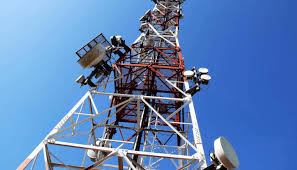
Telecom operators in Nigeria invested a massive N2.5 trillion in capital expenditure (Capex) during 2025, primarily to improve network quality and expand infrastructure, according to a new report. Capex refers to money spent on physical assets like cell towers, fibre optic cables, base stations, and software upgrades. The heavy investment came as the Nigerian Communications Commission (NCC) increased its oversight on Quality of Service (QoS), pushing operators to address long-standing complaints about dropped calls, slow internet, and poor network coverage. Despite the record spending, many subscribers still report inconsistent service, especially during peak hours and in rural areas.

The NCC has introduced stricter monitoring tools and tougher penalties for operators who fail to meet minimum quality standards. Under the new framework, telcos must now publish regular QoS reports and compensate subscribers when service falls below approved thresholds. The Commission also conducted more frequent audits and drive tests across the country to measure actual call completion rates, data speeds, and signal strength. Operators like MTN, Airtel, and Glo responded by accelerating network upgrades, adding thousands of new 4G and 5G sites, and laying more fibre to reduce congestion. However, the NCC noted that challenges such as vandalism, difficult terrain, and multiple taxation still slow down progress.
Industry analysts say the N2.5 trillion spending is a positive step, but more is needed to meet growing data demand from Nigeria’s 160 million+ internet users. They point out that while urban centres have seen noticeable improvements, rural communities remain underserved. The NCC has promised to keep up the pressure, warning that operators who fail QoS tests risk fines or even suspension of operating licenses. For the average subscriber, the increased oversight and operator spending should eventually lead to better call quality, faster browsing, and fewer unexplained outages. The Commission has urged customers to continue reporting service issues through its official complaint channels to help identify problem areas.
About the Author



