Operatives of the Federal Inland Revenue Service (FIRS) and the Nigeria Police Force have arrested two individuals in connection with an alleged $153 million tax fraud scheme that exploited the popularity of TikTok. The suspects reportedly created fake tax payment portals and scam accounts mimicking official government platforms, tricking unsuspecting TikTok users into paying “social media taxes,” “influencer levies,” and “content creator registration fees.” The scammers promised victims that these payments would help them avoid tax prosecution, unlock higher earnings from the platform, or gain access to exclusive monetization features. The fraud scheme, which operated for over 18 months, targeted thousands of Nigerian content creators, small business owners, and young people who use TikTok for commercial activities.

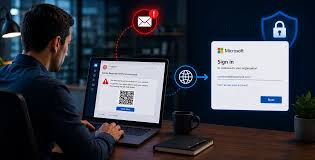
Key features of the scam include the creation of counterfeit websites that looked nearly identical to official FIRS and TikTok partnership portals. The scammers ran sponsored ads and posted videos on TikTok directing users to these fake sites, where victims were asked to input their bank details, BVN, and ATM pins to “verify their tax status.” Once the information was entered, the scammers drained victims’ bank accounts. In other variations, victims were asked to pay “processing fees” ranging from N5,000 to N50,000 via direct bank transfer or cryptocurrency. The scheme also involved fake customer support lines and WhatsApp groups where scammers posed as tax officials, pressuring victims to pay immediately or face “account suspension” and “legal action.” The suspects allegedly laundered the proceeds through multiple bank accounts, cryptocurrency exchanges, and a network of shell companies. FIRS investigators traced the fraudulent transactions using advanced forensic tools and collaboration with TikTok’s security team, who helped identify accounts used to promote the scam.
The two arrested suspects, whose identities were not immediately released, are currently in custody and facing charges including conspiracy, identity theft, obtaining money under false pretenses, and money laundering. FIRS warned that the suspects face up to 14 years in prison if convicted. The agency also advised Nigerians to ignore any message asking for tax payments via social media, stressing that all official tax transactions are done through the FIRS website and authorized bank channels. TikTok has removed the fraudulent accounts and urged users to report suspicious messages. FIRS stated that no legitimate tax or fee is required for using TikTok or earning from content creation in Nigeria. The agency encouraged anyone who may have been a victim to come forward and file a complaint. For social media users, the lesson is simple: never share your BVN, ATM pin, or bank details with anyone contacting you through TikTok, Instagram, WhatsApp, or Facebook. The investigation is ongoing, and FIRS has not ruled out more arrests.
About the Author