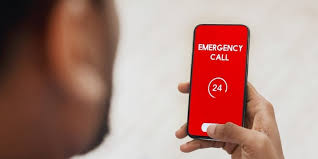
The Lagos State Government has issued a strong warning to residents against making fake emergency calls, stating that the rising misuse of emergency lines is putting real lives in danger. Officials from the Lagos State Emergency Management Agency (LASEMA) and the 112 emergency call centre reported that a significant percentage of daily calls are either pranks, false alarms, or non-emergency inquiries. These fake calls overload the system, waste valuable time, and distract operators from attending to genuine emergencies such as road accidents, building collapses, fire outbreaks, and medical crises. The government stressed that every minute spent on a hoax call could be the difference between life and death for someone truly in need.

Key features of the government’s response include stricter monitoring of emergency calls with advanced tracking technology that can identify repeat offenders. LASEMA announced that it has begun sharing data with telecom operators to trace phone numbers that regularly make false reports. The agency also revealed plans to prosecute offenders under Lagos State laws, which provide for fines or community service for persons found guilty of making fake emergency calls. In addition, the government launched a public awareness campaign titled “Save the Line, Save a Life,” using radio jingles, social media posts, and community town halls to educate residents on when and how to use emergency numbers properly. LASEMA also provided a simple guide: call 112 or 767 only for life-threatening situations—accidents, fires, armed robberies, sudden illness, or collapsed buildings. For non-emergencies such as noise complaints, lost property, or power outages, residents are directed to use designated customer service lines or local council offices.
The government urged parents and teachers to educate children and students about the dangers of prank calls, as many fake calls come from young people using mobile phones for fun. LASEMA also appealed to adults to stop testing the emergency lines just “to see if they work,” noting that each test call is logged and takes resources away from real emergencies. The agency shared sobering statistics: in the past month alone, over 60% of the 50,000 daily calls received were fake or irrelevant. The government warned that anyone caught making malicious fake calls will be traced and prosecuted to the full extent of the law. The message from Lagos is clear: emergency lines are not a joke, and abusing them could cost someone their life.
About the Author