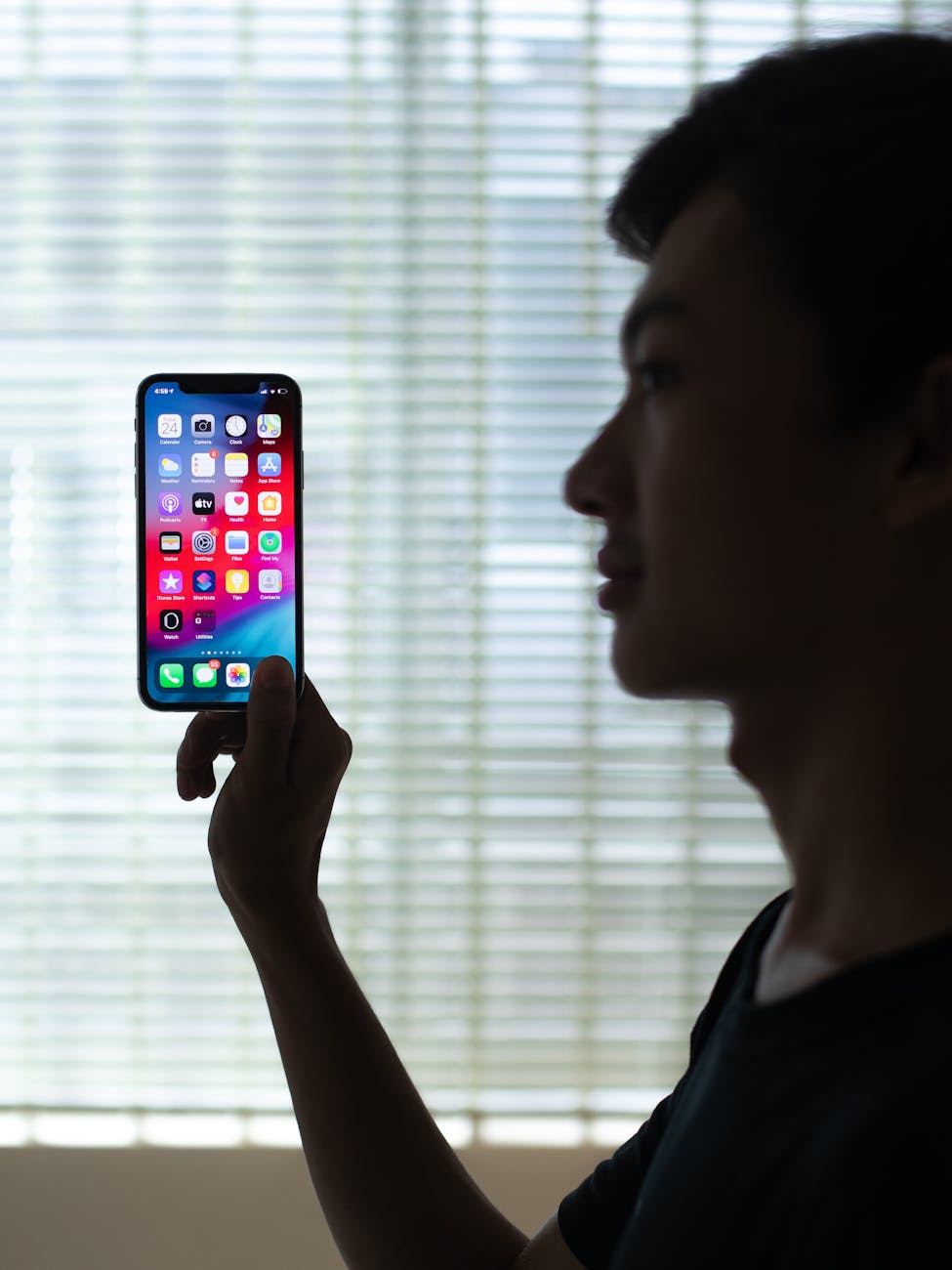
Photo by I'm Zion on <a href="https://www.pexels.com/photo/woman-in-black-shirt-holding-silver-iphone-6-4526398/" rel="nofollow">Pexels.com</a>
Cybercriminals are employing a new strategy to exploit Apple iMessage’s built-in phishing protection, tricking users into re-enabling potentially harmful links in text messages. As mobile devices become central to activities such as online shopping and bill payments, threat actors are increasingly utilizing smishing (SMS phishing) tactics to target individuals’ mobile numbers.
Apple iMessage automatically disables links from unknown senders to safeguard users against phishing attempts. However, attackers are capitalizing on familiar responses, encouraging recipients to reply with phrases like “STOP” or “YES” to confirm actions. This seemingly innocuous response inadvertently reactivates the disabled links and turns off iMessage’s phishing protection, making users more vulnerable. Even if users do not click on the re-enabled links, responding signals to the attackers that they have a potentially responsive target.
In Nigeria, where mobile usage is widespread, the risk is particularly concerning. Many users, especially the elderly and less tech-savvy individuals, may struggle to identify these phishing texts, putting their personal information and financial details at risk. Experts advise Nigerians to be cautious and refrain from replying to messages with disabled links or those from unknown senders, as doing so could compromise their security.