Photo by Nikita Belokhonov on <a href="https://www.pexels.com/photo/anonymous-hacker-with-on-laptop-in-white-room-5829726/" rel="nofollow">Pexels.com</a>
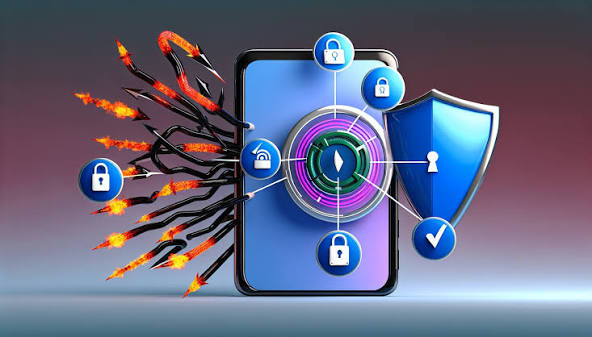
A new scareware campaign has been identified, targeting mobile users globally. Scareware, a type of malware, deceives users into believing their devices are infected with viruses or have critical security issues. Victims are then prompted to download fake security apps or pay for unnecessary services, often leading to financial loss or further malware installation. This attack leverages pop-up ads and fake warnings, making it difficult for users to distinguish between legitimate alerts and malicious ones. Cybersecurity experts warn that such tactics are becoming more sophisticated, affecting both Android and iOS users.

In Nigeria, where mobile phone usage is widespread and digital literacy varies, scareware attacks pose a significant threat. Many Nigerians rely heavily on mobile devices for banking, communication, and business transactions, making them prime targets for such scams. The lack of widespread cybersecurity awareness further compounds the issue, as users may unknowingly fall victim to these deceptive tactics. With the rapid adoption of smartphones and internet services in Nigeria, cybercriminals are exploiting this growing digital landscape. This scareware campaign underscores the urgent need for increased cybersecurity education, improved mobile security practices, and stronger regulatory measures to protect Nigerian users.
To combat this threat, Nigerians are advised to avoid clicking on suspicious pop-ups, refrain from downloading apps from untrusted sources, and ensure their devices are updated with the latest security patches. Additionally, the use of reputable antivirus software and reporting suspicious activities to authorities can help mitigate risks. By fostering greater awareness and adopting safe online practices, individuals and organizations can better defend against such threats. This news serves as a critical reminder for Nigeria’s digital community to prioritize cybersecurity in an era of increasing connectivity.
About the Author