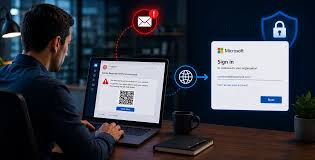
A cybersecurity firm has detected more than 31,000 scam emails in just seven weeks that abuse Microsoft’s legitimate authentication system to trick recipients into handing over their login credentials. The scam campaign exploits the Microsoft Device Authorization Grant, a legitimate authentication flow designed for devices without keyboards or browsers—such as smart TVs and printers—that allows users to sign in by entering a code on a separate device. Attackers are abusing this feature by sending emails that appear to come from Microsoft, instructing recipients to enter a code on a fake Microsoft login page. Once the victim enters the code, attackers gain access to their Microsoft account through an authorization token, completely bypassing passwords and multi-factor authentication in the process.

Key features of the scam include the use of legitimate Microsoft infrastructure, which makes the phishing emails far more convincing and difficult to detect. The emails contain real Microsoft URLs and domain names, bypassing traditional email security filters that flag suspicious links. The attackers target corporate accounts, particularly in industries like technology, finance, and healthcare, where access to email and cloud services can be highly valuable. Once inside an account, criminals can steal sensitive data, send further phishing emails from the compromised account, and move laterally across an organisation’s network. The firm noted that the campaign has been active since at least August 2026 and appears to be growing, with new variations of the scam detected regularly. The attackers are also using AI-generated content to personalise the emails, making them even harder to distinguish from legitimate communications.
Security experts are urging organisations and individuals to be vigilant and to verify any unexpected requests to enter authentication codes. Microsoft has been notified of the campaign and is reportedly working on mitigations, but users are advised not to rely solely on the company’s response. Recommended precautions include enabling conditional access policies, monitoring for unusual sign-in activity, educating employees about device code phishing, and restricting who can use the device authorization flow within their organisations. For individuals, the advice is simple: never enter an authentication code on a website you did not navigate to yourself, and always verify the source of any email asking you to sign in. As attacks grow more sophisticated, awareness and layered security remain the best defence.
About the Author