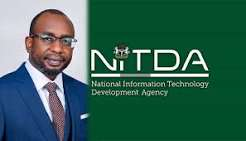
The National Information Technology Development Agency (NITDA) has called for greater investment in local technology development as a way to strengthen public trust in artificial intelligence (AI) in Nigeria. Speaking at a recent technology forum in Abuja, NITDA’s Director-General, Kashifu Inuwa, emphasised that AI systems built by Nigerians, for Nigerians, are more likely to reflect local values, languages, and cultural contexts, making them more trustworthy and effective. He noted that reliance on foreign AI models can introduce biases, misunderstandings, and security risks that undermine public confidence. By developing indigenous AI solutions, Nigeria can ensure that the technology serves the needs of its people and supports national development priorities.

Key features of NITDA’s push for local AI development include support for local startups and innovators working on AI solutions tailored to Nigerian challenges, such as healthcare diagnostics, agricultural monitoring, and financial services. The agency is also investing in AI research and education, partnering with universities and research institutions to build local capacity and develop a pipeline of skilled AI professionals. Data sovereignty is another key focus, with NITDA advocating for policies that ensure Nigerian data is stored and processed locally, reducing dependence on foreign cloud providers and enhancing data security. The agency is also promoting ethical AI frameworks that prioritise transparency, accountability, and fairness, ensuring that AI systems are developed and deployed responsibly. Additionally, NITDA is working to create an enabling environment for AI innovation, including supportive regulations, infrastructure, and funding mechanisms.
Inuwa stressed that AI is not just a technological tool but a strategic asset that will shape the future of Nigeria’s economy and society. He called on the private sector, academia, and civil society to collaborate in building a robust local AI ecosystem. NITDA reiterated its commitment to positioning Nigeria as a leader in responsible AI development in Africa, noting that the country has the talent, resources, and market size to become a major player in the global AI economy. For ordinary Nigerians, the message is that AI should improve their lives—whether through better healthcare, more efficient government services, or new economic opportunities—and that local development is key to ensuring that the technology is trustworthy and aligned with their needs.
About the Author