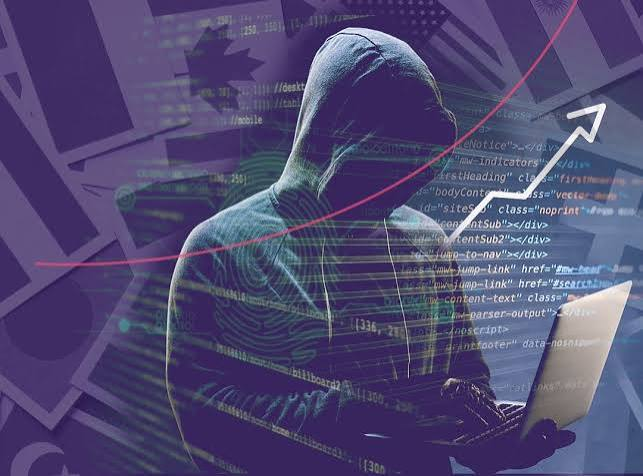
Customers of global financial giants Visa, Mastercard, and JPMorgan Chase have been targeted in a sophisticated cyberattack, raising fresh concerns about the security of payment systems and financial data worldwide. The attack, which was reportedly carried out by a well-organised cybercriminal group, involved the use of phishing and malware to compromise customer credentials and gain unauthorized access to financial accounts. While the full scope of the breach is still being investigated, early reports indicate that thousands of customers may have been affected. The companies have confirmed the incident and are working with law enforcement agencies and cybersecurity experts to contain the damage and protect affected customers. The attack underscores the growing threat of cybercrime targeting the financial sector, where the potential for financial loss and reputational damage is immense.

Key features of the attack include highly targeted phishing campaigns designed to trick customers into revealing sensitive information such as passwords, PINs, and one-time codes. The cybercriminals used social engineering tactics, impersonating bank representatives and sending convincing emails and text messages to gain the trust of victims. Once they obtained credentials, they used malware to bypass security measures and access accounts. The attackers also exploited vulnerabilities in third-party payment processors and point-of-sale systems to capture card details at scale. The financial institutions have activated their incident response protocols, notifying affected customers, freezing compromised accounts, and issuing new cards where necessary. They are also working to strengthen their fraud detection systems to prevent similar attacks in the future. The attackers have not yet been identified, but authorities believe they may be part of an international cybercrime network.
The attack has broader implications for the global financial system, highlighting the need for stronger cybersecurity measures and greater collaboration between banks, payment processors, and regulators. Experts are calling for increased investment in AI-powered fraud detection, multi-factor authentication, and consumer education to help customers recognise and avoid phishing attempts. The incident also raises questions about data sharing and privacy, as customers demand transparency about what information was compromised and how it is being protected. For consumers, the message is clear: be vigilant about unsolicited communications, verify the source before sharing personal information, and monitor accounts regularly for suspicious activity. Visa, Mastercard, and JPMorgan have assured customers that they are taking the incident seriously and are committed to safeguarding their financial data.
About the Author