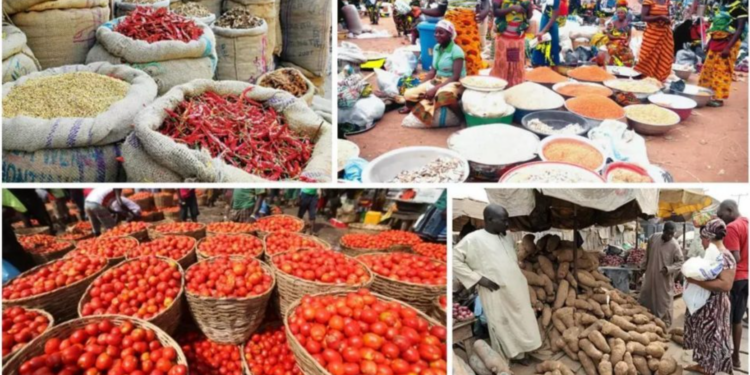
Analysts predict that Nigeria’s inflation rate in January 2026 will either remain stable or rise slightly. This deduction comes after observing the trends in key economic indicators that suggest continuing pressures on prices. Factors such as rising food costs and fluctuations in energy prices are expected to influence the inflation landscape, potentially leading to higher consumer prices.

Some economists emphasize that the ongoing challenges in supply chains and production costs will continue to affect inflation rates. With many households already feeling the pinch from increasing expenses, the cautious outlook is being closely watched by both investors and policymakers. Understanding these dynamics is crucial for planning economic strategies moving forward.
The Central Bank of Nigeria is anticipated to monitor these inflation trends closely as they consider potential policy adjustments. Maintaining stable inflation is essential for fostering economic growth and ensuring that citizens can meet their daily needs without excessive financial strain.
About the Author