Overview
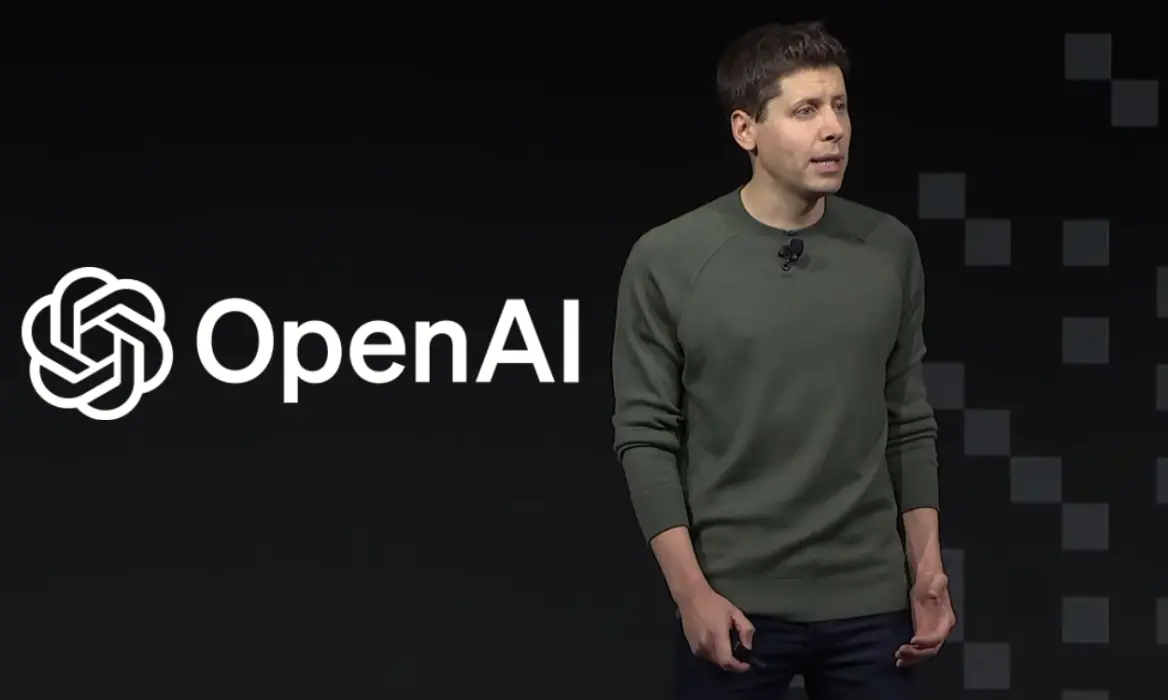
Recent events surrounding Elon Musk’s attempts to acquire OpenAI highlight a complex mix of ambition, strategic moves, and the ethical considerations tied to artificial intelligence development. The timeline of these occurrences reveals a widening gap between Musk’s vision for OpenAI and the direction the company is taking under its current leadership.

Timeline of Events
February 11, 2025: Musk’s Bid Announcement
A consortium led by Elon Musk proposed an astonishing $97.4 billion to acquire OpenAI. This unsolicited offer underscored Musk’s ongoing desire to steer OpenAI’s future, especially given his role as a co-founder. His goal was to revert OpenAI to its original mission as a nonprofit organization dedicated to benefiting humanity.
February 13, 2025: Conditions for Withdrawal
Musk stipulated that he would withdraw his bid if OpenAI proceeded with its plans to transition into a for-profit entity. This condition highlighted Musk’s concerns regarding the ethical ramifications of such a shift, which he believed would undermine the organization’s foundational mission.
February 15, 2025: Board’s Rejection
OpenAI’s board firmly rejected Musk’s $97.4 billion offer, declaring that the organization is not for sale. The board’s unanimous decision reinforced their commitment to a nonprofit model and their belief that any future proposals from Musk would lack sincerity. This rejection not only affirmed OpenAI’s independence but also escalated the public conflict between Musk and the organization.
Analysis
The unfolding situation illustrates the tensions that arise in the evolution of AI organizations. Musk’s departure from OpenAI in 2019 stemmed from disagreements over the organization’s strategic direction, particularly its move toward a for-profit model. Now, his efforts to reacquire OpenAI reflect both a personal investment in its future and a broader critique of the commercialization of AI.
Musk’s legal strategies and public comments position him as a key player in this ongoing narrative. However, his approach raises concerns about whether it’s appropriate to use financial power to influence an organization’s mission. In contrast, OpenAI’s board has reaffirmed its commitment to its nonprofit origins, claiming that restructuring will ultimately benefit humanity more.
Conclusion
As the discussion about OpenAI’s future unfolds, it becomes evident that the journey toward ethical AI is filled with obstacles. The rejection of Musk’s proposal marks a significant moment, highlighting a determination to uphold the organization’s core values. Moving ahead, both Musk and OpenAI will need to carefully balance innovation, ethics, and the societal implications of artificial intelligence. The resolution of this situation is likely to influence the direction of AI development for many years to come.
About the Author