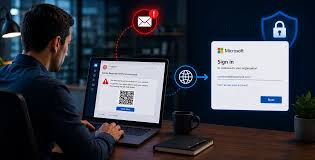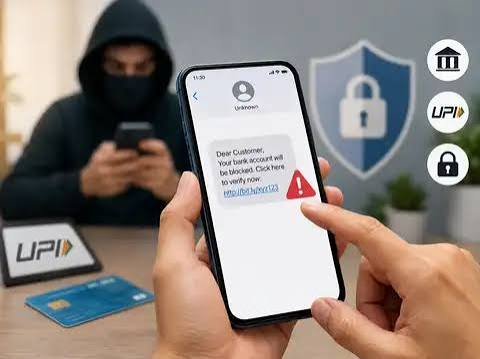
Cybersecurity firm Kaspersky has warned mobile data buyers about a growing wave of scams where fraudsters create counterfeit websites that impersonate major telecommunications operators to steal personal and financial information. With the peak travel season driving higher demand for mobile connectivity and SIM cards, scammers are exploiting the opportunity to target users worldwide, including in Nigeria . Kaspersky experts have identified several examples of fake authentication pages that look nearly identical to official telecom portals, making it difficult for users to tell the difference . Entering login credentials or payment details on these fraudulent sites can result in financial loss, data theft, and increased exposure to spam and fraudulent calls .

Key features of the scams include fake websites mimicking major international telecom brands operating in regions including Asia, Africa, Europe, and the Middle East. In some cases, the fake pages closely replicate official login screens, while others encourage users to top up data plans or check fake bills by entering personal information and bank card details . Kaspersky cybersecurity expert Tatyana Kulikova warned that scammers are now using AI to create more convincing fake pages with greater speed and accuracy, targeting popular interests such as travel, sports events, and seasonal promotions . One common tactic involves luring victims with offers of “free mobile data” that require sharing promotional links with contacts and submitting personal details, which are then sold on the Dark Web or used for further fraud .
To stay safe, Kaspersky advises users to double-check website URLs for misspellings or unusual characters before entering any information, avoid clicking on unsolicited links or attachments, and consider using eSIMs purchased through official carrier apps instead of physical SIMs from unreliable sources . If unsure about a site’s legitimacy, users should search for the brand name directly through a trusted search engine and enable a security solution with anti-phishing features to automatically block fraudulent links . The company also recommends using strong security software like Kaspersky Premium, which has been recognised for its ability to detect fake shops and phishing sites .
About the Author