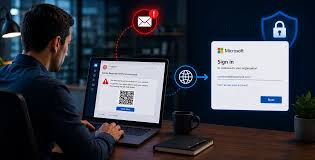
Cybersecurity firm Kaspersky has revealed that credential abuse techniques have become the most effective tactic used by attackers to breach organisations worldwide, including in Nigeria. Credential abuse simply means using stolen or guessed usernames and passwords to gain unauthorised access to systems, emails, or bank accounts. Attackers no longer need to write complex software to break in; instead, they trick users into giving away their login details or buy stolen passwords from dark web markets. Once inside, they can steal data, install ransomware, or quietly monitor activities for months without being detected. Kaspersky’s latest threat report shows that credential abuse has overtaken software vulnerabilities as the number one entry point for cyberattacks.

The report highlights several common credential abuse techniques, including phishing, brute-force attacks, password spraying, and credential stuffing. Phishing involves fake emails or websites that look real, tricking victims into typing their login information. Brute-force attacks use automated tools to try millions of password combinations until one works. Password spraying tries a few common passwords (like “password123”) across many accounts instead of guessing many passwords on one account. Credential stuffing uses username and password pairs leaked from one data breach to try and break into other services where people reuse the same login details. Kaspersky notes that many Nigerian businesses and individuals reuse passwords across multiple platforms, making credential stuffing particularly effective here.
To protect against credential abuse, Kaspersky strongly recommends enabling multi-factor authentication (MFA) on every account that offers it. MFA requires a second form of verification – such as a code sent to your phone or a fingerprint scan – in addition to your password. The company also advises using a password manager to create and store strong, unique passwords for each service, and never reusing passwords across different websites. For businesses, Kaspersky suggests implementing strict access controls, regularly auditing user accounts, and conducting simulated phishing campaigns to train employees. With credential abuse on the rise, experts say that relying on passwords alone is no longer enough – Nigerians must adopt MFA and better password hygiene to stay safe online.
About the Author