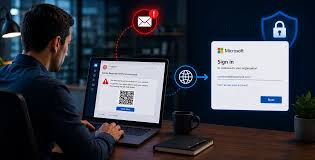
Security researchers at Kaspersky have uncovered a new phishing campaign that uses spoofed Google Tasks notifications to trick users into handing over corporate login details. Attackers send fake task alerts that look like legitimate Google notifications; when recipients click the link, they are taken to convincing but fraudulent sign-in pages designed to capture usernames and passwords. This method lets cybercriminals bypass basic suspicion because the messages mimic a trusted productivity tool many businesses use.

The campaign specifically targets corporate accounts, aiming to harvest credentials that give access to company resources. Kaspersky’s analysis shows the phishers carefully craft the fake notifications and landing pages to match Google’s look and feel, increasing the chance that employees will follow the prompts. Once credentials are stolen, attackers can move laterally inside corporate networks, access sensitive data, or set up further social‑engineering attacks.
Kaspersky warns organisations to strengthen email and endpoint protections, enable multi‑factor authentication (MFA) across accounts, and train staff to verify unexpected task notifications before clicking links. IT teams should also monitor for unusual sign‑in activity and use phishing‑resistant measures such as hardware tokens or platform MFA. Simple habits—checking sender addresses, hovering over links, and accessing Google services directly rather than via emailed links—can reduce the risk of falling victim to these scams.
About the Author