
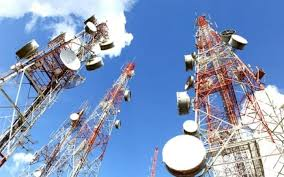
A major business chamber has raised serious concerns over the rising wave of vandalism affecting telecoms infrastructure across Nigeria. The chamber warned that the constant destruction of base stations, fibre optic cables, and backup batteries is hurting the quality of calls and internet services for millions of Nigerians. According to the group, vandals now target telecom equipment not just in remote areas but also in cities, stealing copper wires, generators, and even fencing materials. The chamber said that if this trend continues, the country risks losing billions of naira in investments and experiencing frequent network shutdowns.

Key features of the problem include the theft of diesel from base station tanks, which forces towers to go offline for hours or days. Vandals also cut fibre cables to steal the copper or aluminium inside, leading to widespread internet blackouts in entire neighbourhoods. The chamber noted that many of these attacks are carried out by organised groups, not just lone thieves, and some security guards have been injured or killed while trying to protect sites. Repairing a single damaged base station can cost millions of naira and take weeks, during which subscribers suffer dropped calls and slow data. The chamber is now calling for telecom infrastructure to be classified as Critical National Infrastructure, just like power plants and pipelines, to attract stiffer punishments for offenders.
The chamber also urged state governments and local communities to take ownership of telecom sites within their areas. Suggestions include forming community watch teams, installing better fencing and surveillance cameras, and fast-tracking prosecutions of arrested vandals. The group appealed to the Nigerian Communications Commission (NCC) and security agencies to work together on a rapid response team for telecom emergencies. For ordinary Nigerians, the chamber said the best help is to report suspicious activity near telecom masts and to avoid buying cheap, second-hand telecom batteries or cables from informal markets, as these are often stolen goods.
About the Author



