
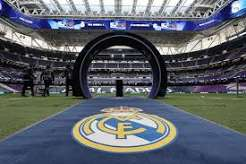
Real Madrid has made history by becoming the first sports organisation ever to generate over €1.2 billion in annual operating revenue, posting a record €1.221 billion for the 2025–2026 financial year. This remarkable achievement came despite the club ending the season without winning a major trophy, signalling a fundamental shift in how top football clubs generate income. The club also reported record earnings before interest, taxes, depreciation, and amortisation (EBITDA) of €287.4 million, up 18% from the previous year, while net profit after tax rose 8% to €26.3 million, marking the 26th consecutive year of profitability.

The redeveloped Santiago Bernabéu Stadium has become the engine of this record-breaking growth, generating €363 million in revenue during the financial year—more than double the level recorded before redevelopment began in 2019. With cumulative investment in the project now exceeding €1.4 billion, the stadium has evolved into a major commercial asset beyond matchdays. Commercial income also climbed to €539 million, supported by renewed sponsorships and new partnerships, while broadcasting rights played a smaller role. The club’s strategy of diversifying revenue streams has reduced its dependence on television money and prize winnings.
Real Madrid continued to invest heavily, spending €192 million on sports squads, facilities, and technology, including €161 million on player acquisitions. Despite the spending, the club maintained a healthy financial position, with wages and player amortisation representing 46% of revenue—below the 50% benchmark considered sustainable. Real Madrid ended the year with €83 million in cash and access to €475 million in undrawn credit facilities, offering strong financial flexibility for future investments. The club’s achievement shows that long-term investment in infrastructure and commercial operations can deliver consistent returns, even in a season without silverware.
About the Author




