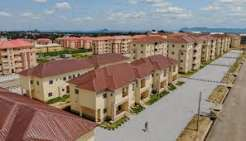
A growing housing crisis across Nigeria is pushing millions of families to the brink, as skyrocketing rents and a severe shortage of affordable homes transform the basic need for shelter into an economic battlefield . Recent estimates show that house rents in many Nigerian cities have surged by between 100 and 300 percent over the last two years, far exceeding official inflation rates . The crisis is most acute in major urban centres like Lagos, where the average annual asking rent for a modest two-bedroom apartment has climbed to N8.1 million, and Port Harcourt, where rents have doubled to N4 million within a year . This unprecedented surge means a worker earning the enhanced N85,000 minimum wage in Lagos would need nearly eight years of their entire income to afford a year’s rent in the city .

Key features of this housing crisis include a rent-to-income ratio that has far exceeded the United Nations’ affordability benchmark of 30 percent, with many families now spending over 60 to 70 percent of their income on accommodation alone . The financial strain is compounded by the common practice of demanding one or two years’ rent upfront, along with additional fees for agency, legal documentation, and service charges that add hundreds of thousands or even millions of naira to the advertised rent . Nigeria’s housing deficit, estimated at over 20 million units, continues to widen as rapid urbanisation and population growth outpace housing development . Supply is constrained by soaring construction costs—cement prices have doubled in two years—as well as expensive land, high borrowing costs, and limited mortgage penetration .
The consequences of this crisis extend far beyond individual households. Tenants report relocating to distant suburbs, where they face longer commutes and higher transportation costs, while others are forced to share apartments with unrelated adults . The constant fear of eviction, the uncertainty of annual rent reviews, and the pressure to raise large lump-sum payments are also creating a hidden epidemic of psychological stress, anxiety, and depression . Property professionals warn that with Nigeria’s population continuing to expand and housing supply failing to keep pace, rents are projected to rise another 10 to 15 percent in the coming year . The crisis is no longer just a social concern but a business and national competitiveness issue, as rising housing costs suppress consumer spending and economic growth .
About the Author