
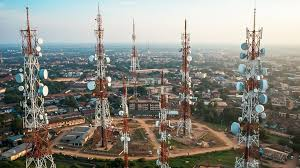
Telecommunications companies in Nigeria and other emerging markets are facing a severe financial squeeze due to the ongoing crisis of rising diesel prices. Most telecom towers across Nigeria rely on diesel-powered generators to operate because the national electricity grid is unreliable, providing power for only a few hours daily. With diesel costs climbing sharply over the past two years, telcos are now spending billions of naira extra every month just to keep base stations running. Industry sources warn that if the trend continues, operators may be forced to increase data and call tariffs, reduce network investments, or even shut down some towers in rural areas, leading to service blackouts.

Key features of the diesel crisis include a more than 200% increase in the price of diesel since 2023, driven by global oil price fluctuations and the removal of fuel subsidies in Nigeria. For a typical telecom tower consuming about 8,000 litres of diesel per month, the monthly fuel bill has jumped from under N2 million to over N6 million per site. With thousands of towers across the country, the total additional cost runs into tens of billions of naira annually. The crisis affects not only Nigeria but also other emerging markets like Ghana, Kenya, Pakistan, and Bangladesh, where grid power is similarly unreliable. Telcos have tried various solutions, including installing solar panels, battery storage, and more efficient generators, but the upfront capital required is enormous. Some operators have also resorted to diesel theft prevention measures, as rising prices have made fuel a target for thieves who siphon from base station tanks.
The Nigerian Communications Commission (NCC) has acknowledged the crisis and is in talks with the federal government to explore solutions. Options being considered include granting telecom infrastructure the status of Critical National Infrastructure, which would allow telcos to access diesel at subsidised rates or through strategic reserves. Another proposal is accelerated deployment of the national fibre backbone and grid improvements to reduce reliance on diesel. Some telcos are also exploring renewable energy partnerships, including large-scale solar farms and wind turbines dedicated to powering clusters of towers. For ordinary Nigerians, the diesel crisis could eventually mean higher prices for voice calls, data bundles, and mobile money services. It could also lead to poorer network quality in rural and suburban areas where alternative power sources are hardest to deploy. The NCC has urged telcos to continue investing in green energy solutions while it works with the government on short-term relief measures.
About the Author



