A United States-based technology company, Identy IO, has announced plans to process up to one billion biometric verification transactions in Nigeria over the next few years. The firm specializes in digital identity solutions, using fingerprints, facial recognition, and other biometric data to confirm that a person is who they claim to be. Identy IO is targeting Nigeria’s rapidly growing digital economy, where banks, telecom operators, fintech startups, and government agencies need fast and reliable ways to verify customers remotely. The company believes that Nigeria, with its large population and increasing smartphone adoption, presents a massive market for biometric authentication services.

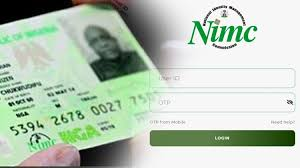
Key features of Identy IO’s planned operations include a cloud-based platform that can verify identities in under five seconds using just a smartphone camera or fingerprint scanner. The company claims its technology works even in low-bandwidth areas, making it suitable for rural Nigeria. Identy IO is in talks with Nigerian banks to replace traditional one-time passwords (OTPs) for mobile banking, reducing fraud that comes from SIM swap attacks or stolen phones. The firm also plans to offer its services to telecom companies for SIM registration and SIM swap verification, helping to curb the rising cases of phone number hijacking. For government agencies, the platform could be used for voter registration, pension payments, and social intervention program beneficiary verification to eliminate ghost workers and double-dipping. Identy IO said it will partner with the National Identity Management Commission (NIMC) to integrate with the National Identification Number (NIN) database, ensuring that verification is seamless and compliant with local data laws.
The company expects to begin pilot operations in Lagos and Abuja within the next three months, with full rollout across Nigeria by the end of the year. Identy IO also promised to train local engineers and create data centers within Nigeria to ensure that citizen biometric data stays in the country, addressing privacy concerns. The company’s revenue model is transaction-based, meaning it only gets paid for successful verifications. Industry analysts have welcomed the move, noting that Nigeria’s current manual and OTP-based verification systems are vulnerable to fraud. However, they also raised concerns about data privacy and the need for strong regulations on how biometric data is stored and shared. Identy IO reassured Nigerians that its platform uses end-to-end encryption and will not sell personal data to third parties. If successful, the one billion transaction target could generate significant revenue for the company while making digital services safer and faster for millions of Nigerians.
About the Author