The Lagos State Government has unveiled a comprehensive plan to achieve 24-hour electricity supply across the state within the next few years. The blueprint, which was presented by Governor Babajide Sanwo-Olu (or relevant official), aims to end the era of erratic power supply that has forced businesses and residents to rely heavily on noisy and expensive generators. The plan is built on a mix of grid improvements, embedded power generation, renewable energy sources, and public-private partnerships. Lagos, which contributes over 30% to Nigeria’s economy, has long suffered from inadequate power supply, limiting its potential for 24-hour commerce, manufacturing, and technology services.

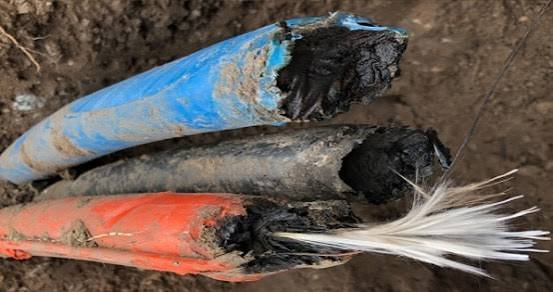
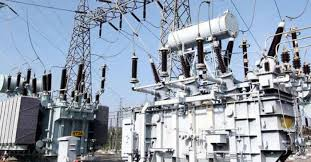
Key features of the plan include the establishment of embedded power plants in strategic locations such as Ikeja, Lagos Island, Alimosho, and Badagry. These smaller, decentralized plants will generate electricity independently from the national grid and supply designated clusters of homes and businesses. The government also plans to deploy solar mini-grids in less dense areas and provide incentives for residential and commercial buildings to install rooftop solar panels with battery storage. Another major feature is the upgrade of the state’s distribution network, including replacing old transformers and cables, and installing smart meters to reduce losses and theft. The Lagos State Electricity Bureau will be empowered to regulate small power projects within the state, following the recent constitutional amendments allowing states to generate and distribute electricity. The government also announced a partnership with private developers to convert waste to energy, using Lagos’s massive daily garbage output to generate power.
The plan will be rolled out in phases over three years, with pilot projects starting in major industrial and commercial zones within six months. The government has set up a N50 billion Lagos Electricity Fund to provide low-interest loans to businesses and homeowners who want to install solar systems or upgrade their electrical infrastructure. For residents, the promise of 24-hour power means better preservation of food, safer neighbourhoods, uninterrupted work and study from home, and lower spending on petrol and diesel. The government also assured that tariffs would be fair and that low-income households would receive subsidies during the transition. Industry leaders have welcomed the plan but cautioned that security of power infrastructure and timely execution will determine success. Lagos State says it is determined to lead Nigeria’s march toward reliable electricity for all.
About the Author